Behind every story is
a life that cannot be
summed up in a headline
ANASTASIA EFREMOVA
ECONOMICS & PUBLIC POLICY JOURNALIST
Exploring the intersection of
economics and public policy
through journalism
BEYOND THE BYLINE
Projects & Activities
Explore four areas that have shaped how I investigate questions, lead people, and turn ideas into practical work.
JOURNALISM, EDITORIAL & MEDIA
7 Roles
Reporting, editing, research, fact-checking, and publishing
ECONOMICS & PUBLIC POLICY RESEARCH
1 Independent Research Project
Economic behavior, public policy, research ethics, and responsible research design
LEADERSHIP, MENTORING & COMMUNICATION
6 Roles
Team-building, mentoring, communication, public speaking, and community leadership
ENTREPRENEURSHIP & FINANCIAL EDUCATION
5 Ventures & Financial-Education Initiatives
Programs, curriculum, investing, financial education, and venture-building
LEADERSHIP · MENTORING · COMMUNICATION
From Participant to Mentor, Coach, Organizer & Team Leader
Leadership has meant different things to me at different stages: first learning from others, then helping younger students build confidence, organizing programs, coaching teams, judging competitions, and taking responsibility for groups with very different goals and personalities. Across public speaking, mentoring, school organizations, athletics, and youth programs, I learned that leadership is less about having a title than about understanding what people need in order to contribute, grow, and succeed together.
These experiences also changed how I lead. I learned to prepare before asking others to follow, communicate expectations clearly, delegate rather than control every detail, and adjust my approach to the person or team in front of me. Sometimes leadership meant speaking; sometimes it meant listening, coaching, organizing behind the scenes, or giving someone else the confidence to take the lead.
LEADERSHIP, MENTORING & COMMUNICATION IN NUMBERS
80+
Public-Speaking Appearances
23
Students Coached & Mentored
33
INK Club
Members Led
25-Player
Tennis Team Captained
7
Youth Business
Fairs Supported
Project Be You
Business & Public-Speaking Coach,
Mentor & Competition Judge
Project Be You, Inc. · Orange County, California, USA
Project Be You is a youth-focused nonprofit dedicated to building confidence, communication, public-speaking, and leadership skills through practical classes, workshops, and events. Founded by communication coach Anna Scoby, the program has reached more than 1,000 students worldwide and focuses on helping young people communicate effectively, take on new challenges, and grow into confident leaders.
Two Paths That Grew With Me
From the beginning, my experience at Project Be You developed along two parallel paths.
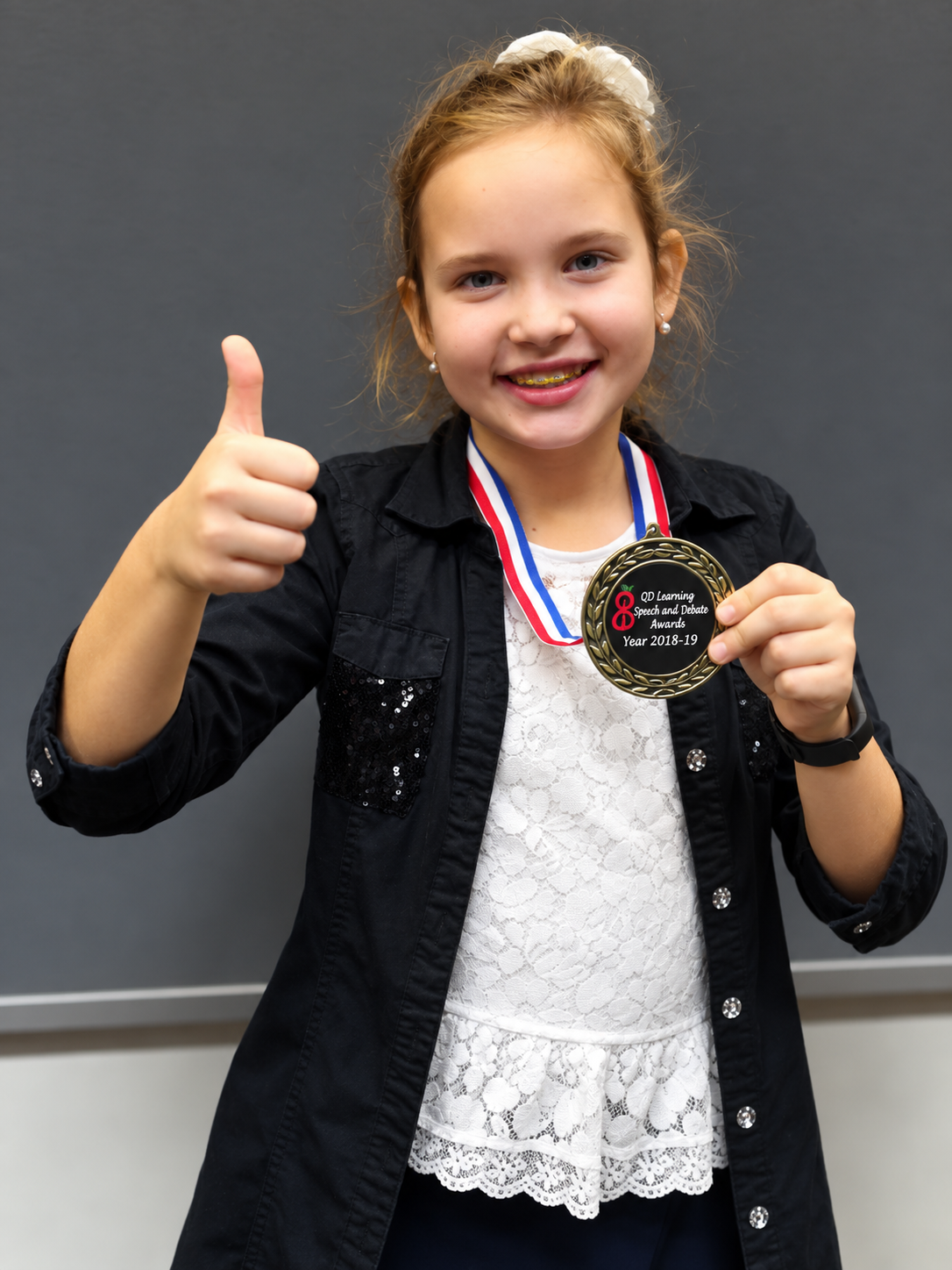
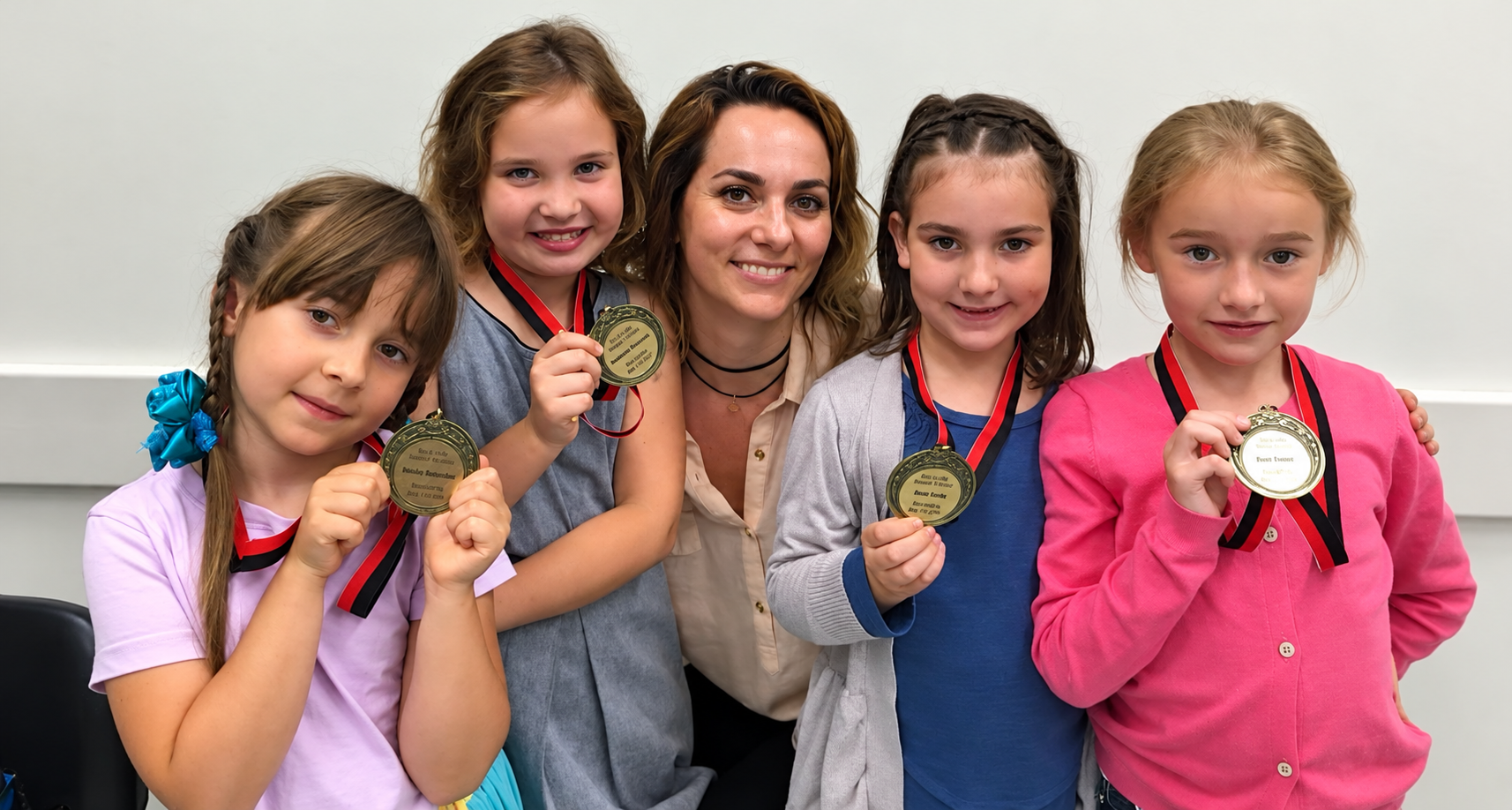
The first was communication and public speaking. I began speaking on stage at six, first learning how to organize and deliver a speech and gradually progressing to writing my own speeches, refining my delivery, understanding an audience, and competing in public-speaking events. Over the years, I earned numerous awards and became increasingly comfortable communicating ideas to very different audiences.

The second was entrepreneurship. Through youth business fairs, I learned how to develop and present products, interact with customers, price what I was selling, earn money, and understand the difference between having an idea and making that idea work in the real world.
As I grew older, both paths changed. Public speaking became coaching, mentoring, and judging. Entrepreneurship became business mentoring, event organization, and helping younger students turn their own ideas into ventures.
From Participant to Mentor
At my first business-fair competition, I earned the Grand Prix across three judged categories and a $250 award. Over the years that followed, I participated in public-speaking and entrepreneurship competitions and earned 50+ externally judged awards.
But the part of Project Be You that became most meaningful to me happened later.
During high school, I returned to the same community in a completely different role—as a business and public-speaking coach, recurring mentor, competition judge, and event organizer.
Instead of preparing only for my own speech or business presentation, I became responsible for helping younger students develop theirs.
Published Contributor at 14
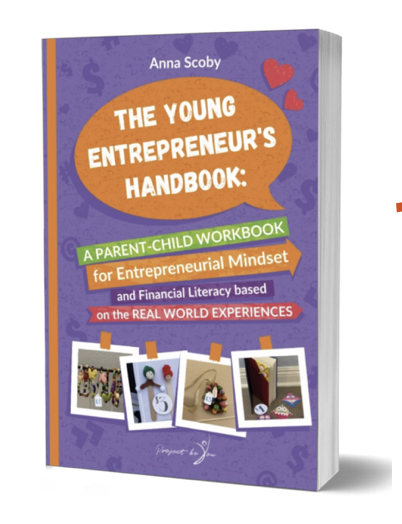
At 14, I became a contributor to Anna Scoby’s book, The Young Entrepreneur’s Handbook: A Parent-Child Workbook for Entrepreneurial Mindset and Financial Literacy.
My name and personal entrepreneurship stories appear in the book across two pages, together with examples and photographs from projects I had developed through my own early business experience.
My contribution went beyond sharing my story. I tested activities and exercises, gave feedback on content and ideas, and helped evaluate how the material would work for young readers.
It was one of the first times I saw that something I had learned through my own experience could become useful to students I had never met.
Mentoring in Practice
As a high-school mentor, I repeatedly worked with 12 middle-school students, helping them move from early ideas to finished speeches, competition presentations, and small ventures.
In public speaking, I coached students on speech structure, writing and revision, voice, gestures, delivery, confidence, audience awareness, and competition preparation.
In entrepreneurship, I helped them develop business ideas, think through business plans, pricing, costs and profit, marketing, and short pitches, and then reflect on what worked after fairs and competitions.
All 12 students ultimately competed and developed ventures. Nine won, placed, or reached finalist positions.
The challenge was learning that different students needed different kinds of support. Some needed structure. Some needed confidence. Some needed a better question. Others needed someone to tell them honestly that an idea or presentation was not working yet.
From Coaching One Student to Organizing the Experience
I also helped organize seven youth business fairs, which changed the scale of my responsibility.
Instead of focusing only on one student’s speech or business idea, I began thinking about the environment around all of the participants: how an event is structured, how students present their work, how audiences interact with young entrepreneurs, and what needs to happen behind the scenes for the experience to work.
That transition introduced me to another form of leadership—creating the conditions in which other people can succeed.
Learning to Judge Fairly
Serving as an official speech-competition judge taught me something different again.
Coaching asks: How can I help this student improve?
Judging asks: Can I listen carefully, apply the same standards fairly, and separate my own preferences from the quality of someone else’s work?
I learned to give feedback that was specific and honest without becoming discouraging.
I also learned that my job was not to reward the speech, style, or business idea I personally would have chosen. It was to evaluate what the student had actually created.
That distinction became increasingly important as I moved from competing myself to taking responsibility for the development and evaluation of other students.
What Mentoring Changed
When I was younger, I probably thought leadership meant being confident, knowing the answer, or performing better than everyone else.
Coaching changed that.
Helping a younger student does not mean rewriting a speech for them or turning their business idea into the idea I would have chosen.
Sometimes I needed to explain.
Sometimes I needed to ask a question and let the student find the answer.
Sometimes I needed to encourage someone who was nervous.
And sometimes I needed to say honestly that something was not working.
The goal was not to make students dependent on me. It was to give them enough structure, feedback, and confidence to complete the work themselves.
From Learning to Teaching
Looking back, Project Be You shaped much more than my ability to speak in public or build a business idea.
It taught me a pattern that now appears throughout much of what I do:
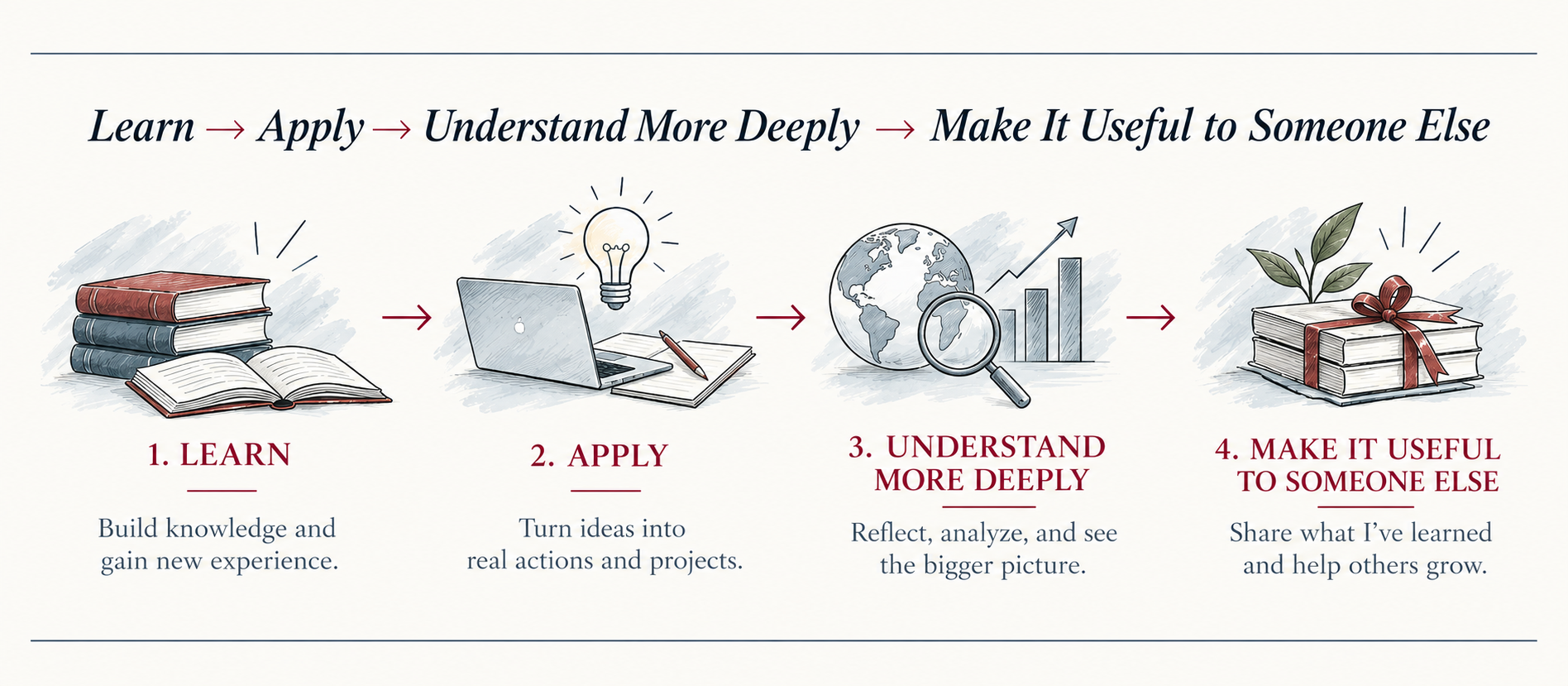
At six, success meant being brave enough to stand on a stage and present an idea.
At seventeen, I think success means something more: being capable enough to create opportunities for myself, responsible enough for other people to trust me, and generous enough to help someone else discover what they are capable of doing.
Troy Speech & Debate
Competitor → Treasurer → VP of External Affairs | Coach
Troy High School · Fullerton, California, USA
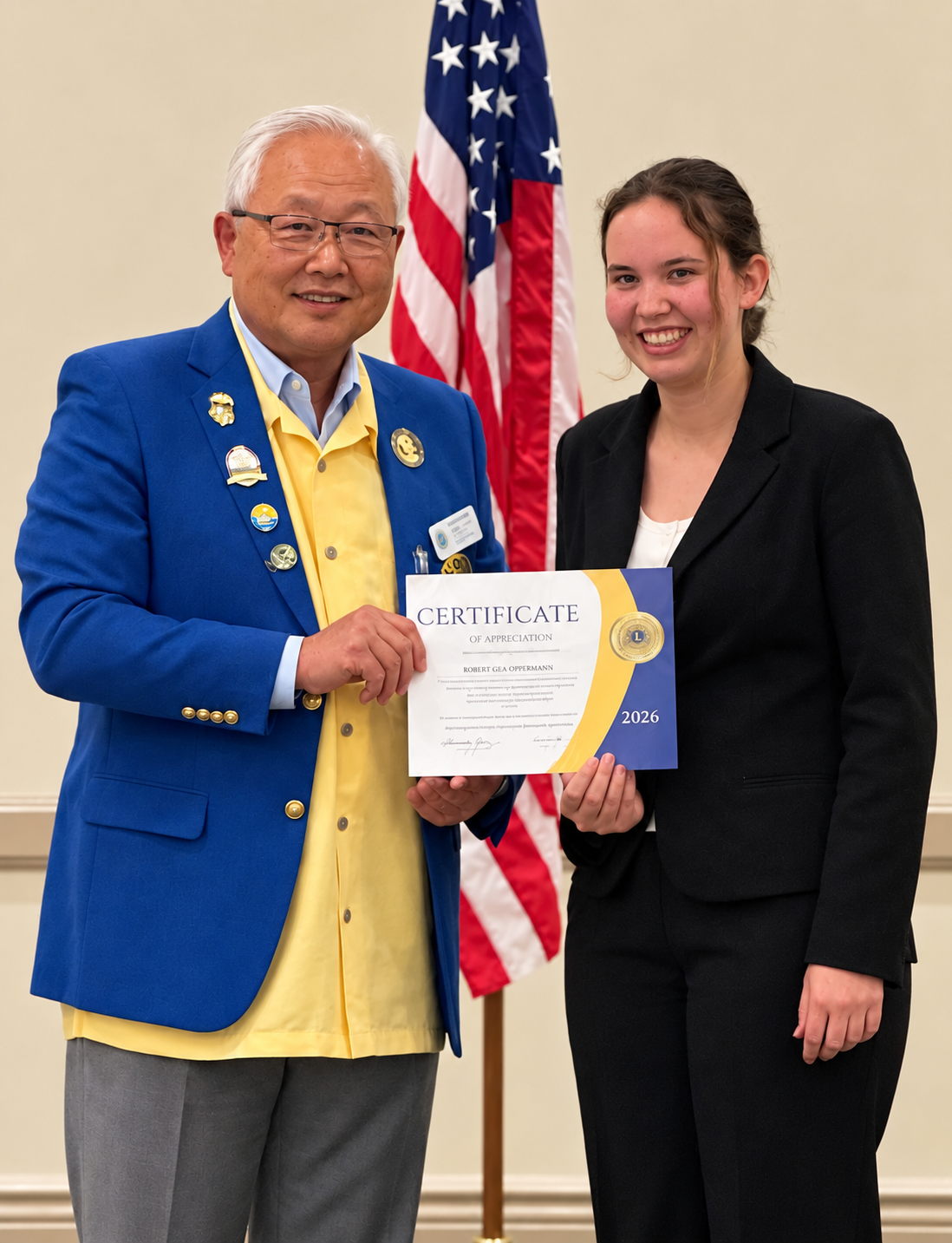
Continuing a Path That Began at Six
My public-speaking journey began at age six through Project Be You, where I first learned how to speak on stage, organize an idea, write and revise speeches, and communicate with different audiences. When I entered Troy High School in ninth grade, joining Troy Speech & Debate felt like the natural next step in a path I had already been pursuing for years.
At Troy, I began primarily as a competitor. I researched complex topics, built evidence-based speeches, refined delivery and visual communication, and learned how to explain unfamiliar ideas clearly under pressure.
Over time, my role expanded beyond my own performance. I became Treasurer and Coach, and later advanced to Vice President of External Affairs while continuing to coach teammates.
From Competitor to Coach
As a coach, I worked with 11 teammates, helping them strengthen speeches, improve delivery, prepare for tournaments, and respond constructively to feedback. I also helped organize team-wide mock competitions, giving students a chance to practice under realistic conditions before official rounds.
That shift changed the way I thought about communication. Knowing how to improve my own speech was different from helping another speaker understand what was holding them back. Coaching required me to listen closely, identify the real problem, and adjust my feedback to the person in front of me.
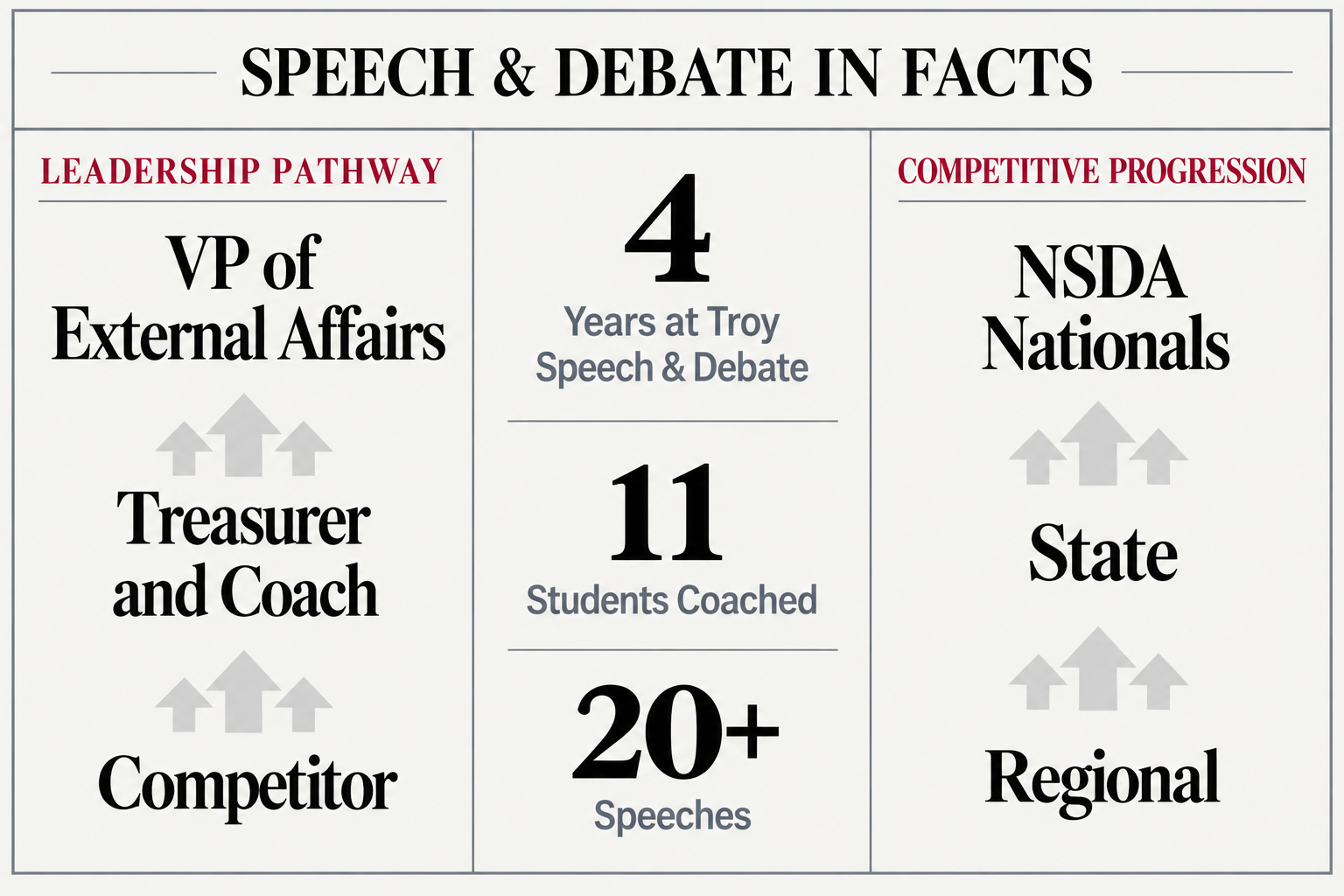
What I Learned
Speech & Debate taught me how to organize complicated ideas, support claims with evidence, adapt to an audience, and stay composed when I had to communicate under pressure.
Coaching taught me something different: strong communication is not only about being persuasive myself. It is also about helping someone else become clear, confident, and independent enough to communicate well without me.
That progression—from speaker to coach and officer—made public speaking less about performance and more about responsibility, preparation, feedback, and helping a team improve together.
Youth Leadership Program
Elected Vice President
Orange County, California, USA
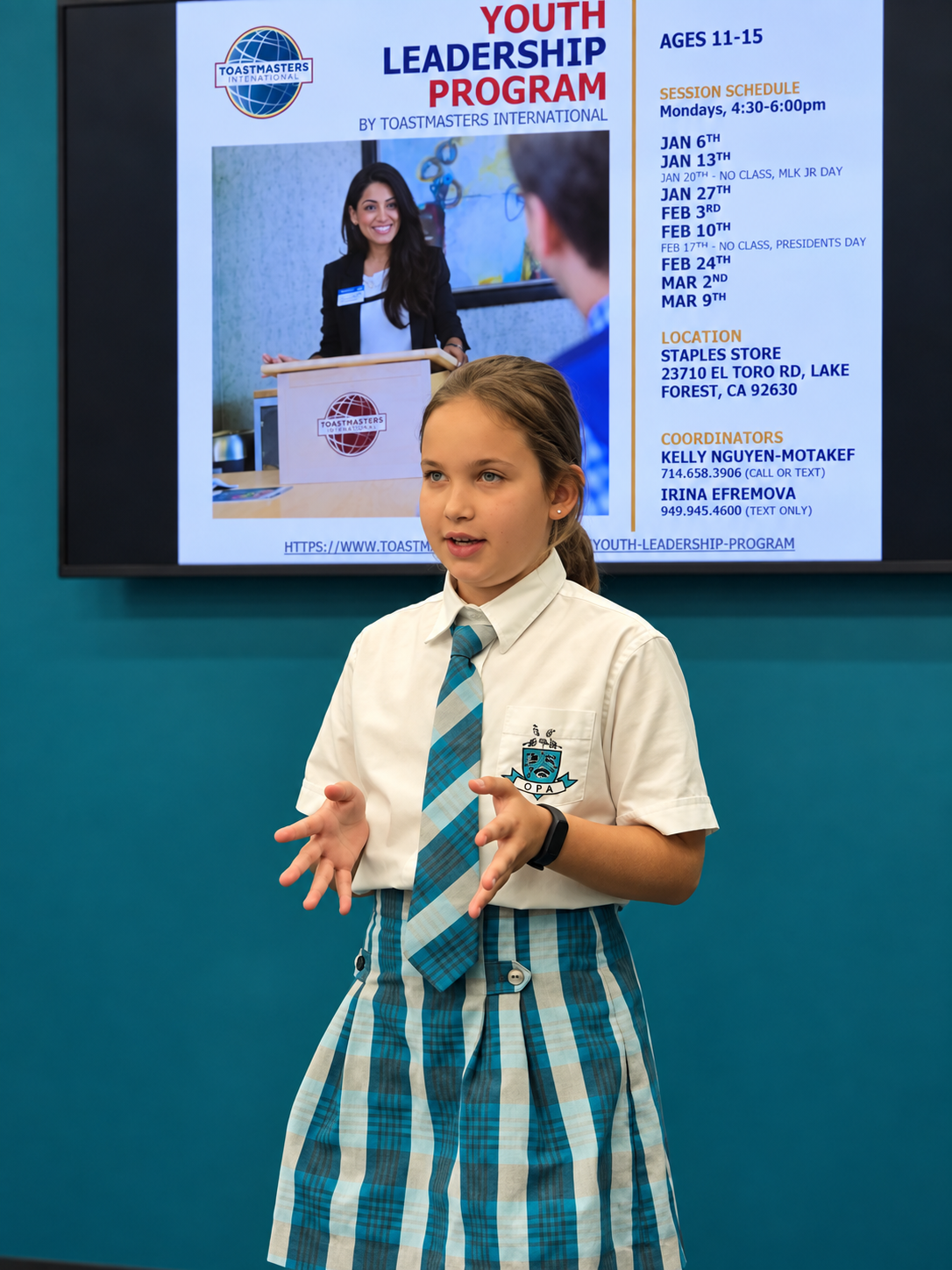
An Early Step in Public Speaking
By the time I joined the Toastmasters International Youth Leadership Program at age ten, I had already begun developing public-speaking skills through Project Be You.
Toastmasters gave me a different kind of structure. Instead of focusing only on delivering a prepared speech, I practiced prepared speaking, impromptu communication, peer feedback, and meeting leadership.
It became one of the earliest places where I began to understand that communication is not only about standing in front of an audience. It is also about listening, responding, giving useful feedback, and helping a group function well.
Elected to Lead
During the program, I was elected Vice President by my fellow participants.
At ten, I did not yet think about leadership in the way I do now. But being chosen by peers introduced me early to the idea that leadership is not only something assigned by an adult—it can also come from the trust of the people working beside you.
That experience became an early foundation for roles I would later take on in Speech & Debate, Project Be You, student organizations, and other team settings.
TOASTMASTERS IN FACTS
Prepared Speaking
Impromptu Speaking
Peer Feedback
Meeting Leadership
What I Learned
Toastmasters helped me become more comfortable speaking without having every sentence planned in advance.
It also taught me that communication works in both directions. Speaking clearly matters, but so do listening carefully, responding in the moment, giving constructive feedback, and adapting to the people in the room.
Looking back, this was one of the early steps in a much longer progression—from learning how to speak in front of others to eventually coaching, mentoring, leading teams, conducting interviews, and helping other students become stronger communicators.
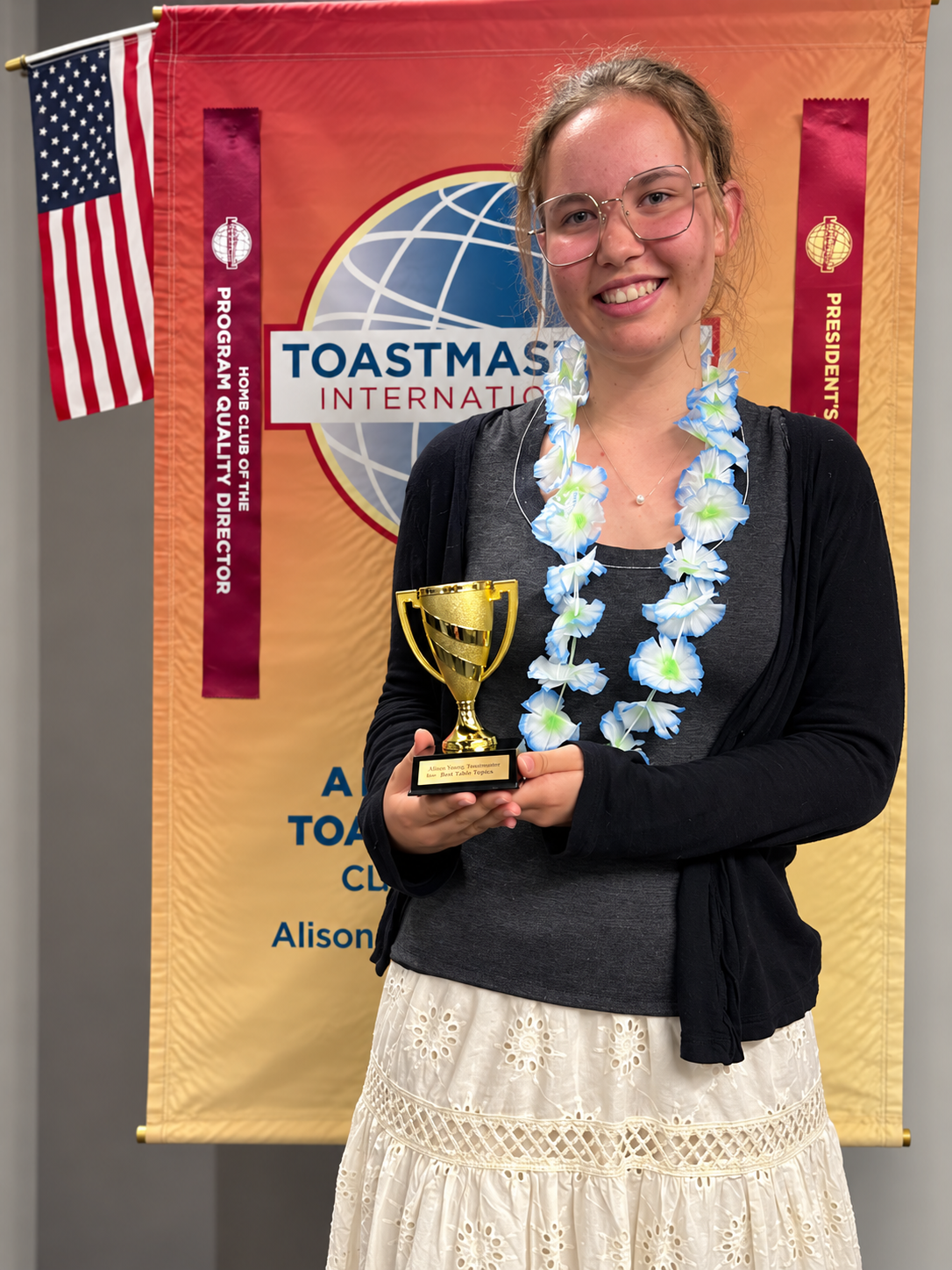
Returning as an Invited Speaker
Years later, I returned to Toastmasters International in a very different role—this time as an invited speaker at an adult Toastmasters meeting.
The experience felt like a full-circle moment. I had first entered Toastmasters at eight as a young participant learning how to speak, respond, and lead a meeting. Returning later to speak for an adult audience showed me how far those early communication skills had developed—and how public speaking had become part of the way I lead, teach, interview, and share ideas.
Youth Leadership Challenge
Youth Competitions and Events Co-Organizer
Kid-Friendly World Foundation (KFW) · California State & U.S. National Events
Kid-Friendly World is a youth- and family-focused initiative that develops educational programs, events, tools, and opportunities designed to give children active roles as creators, entrepreneurs, presenters, and organizers. Its broader approach emphasizes learning through real participation rather than treating children only as attendees.
Preferred: Anastasia in a real planning meeting with organizers, schedules, materials, certificates, floor plans, or event preparation
Building Two Events at Once
During my senior year, I am part of the organizing team for two in-person Youth Leadership Challenge events: a California state-level event in San Clemente on November 7, 2026, followed by a U.S. national-level event in New York State on December 12, 2026.
Because both events are still in active preparation, my work is happening before most participants ever arrive. I am learning how many decisions sit behind an event that may eventually look effortless from the outside.
My responsibilities include registration, recruiting participants, judges and speakers, scheduling, communications, materials, presentations, awards, certificates, and troubleshooting. I also help work through practical questions such as table and seating arrangements, expected participant numbers, purchasing materials, and making sure organizers and vendors are working from the same information.
Creating Structure, Not Just Following It
One of my contributions is proposing the introduction of different nominations and award categories, so participants can be recognized for different strengths rather than being evaluated through only one narrow definition of success.
I am also learning that organization depends on documenting decisions. When several organizers, vendors, participants, and outside partners are involved, a conversation is not enough. I help track agreements, confirm responsibilities, and make sure decisions do not disappear between meetings or different people involved in the event.
This is pushing me to think beyond my own assignment and see the event as an interconnected system: participants, judges, schedule, space, materials, vendors, awards, communication, and contingency planning all affect one another.
Media & Community Outreach
My role also extends beyond event logistics. I am preparing to help tell the story of the Youth Leadership Challenge outside the event itself—writing about the program and reaching out to newspapers, television outlets, and other media to build awareness around the participants and their work.
This part of the role connects two areas of my experience that usually appear separately: journalism and event leadership. Instead of reporting on an event someone else created, I am learning what it means to help build the event first—and then think carefully about how its purpose and participants should be presented publicly.
Preparing for the Unexpected
Large events rarely unfold exactly as they are planned. Part of my responsibility is helping identify problems early, keep agreements between organizers and vendors clear, and prepare to solve unexpected issues quickly when the events are underway.
The challenge is learning to hold both levels of the project at once: the small details that can derail an event and the larger system that determines whether participants experience it as organized, fair, and worthwhile.
What I’m Learning
I am learning how to organize a large event by seeing it as a system rather than a checklist. Leadership at this scale means keeping track of many moving parts at once without trying to personally control every one of them.
I am learning to delegate, communicate responsibilities clearly, follow through on agreements, keep the larger goal visible while managing details, and make decisions quickly when something changes unexpectedly.
Most importantly, this experience is teaching me that good event leadership is often invisible. If the planning works, participants should be able to focus on presenting, competing, learning, and meeting one another—not on the hundreds of decisions that had to happen behind the scenes to make that possible.
INK Club
Vice President → President
Troy High School · Fullerton, California, USA
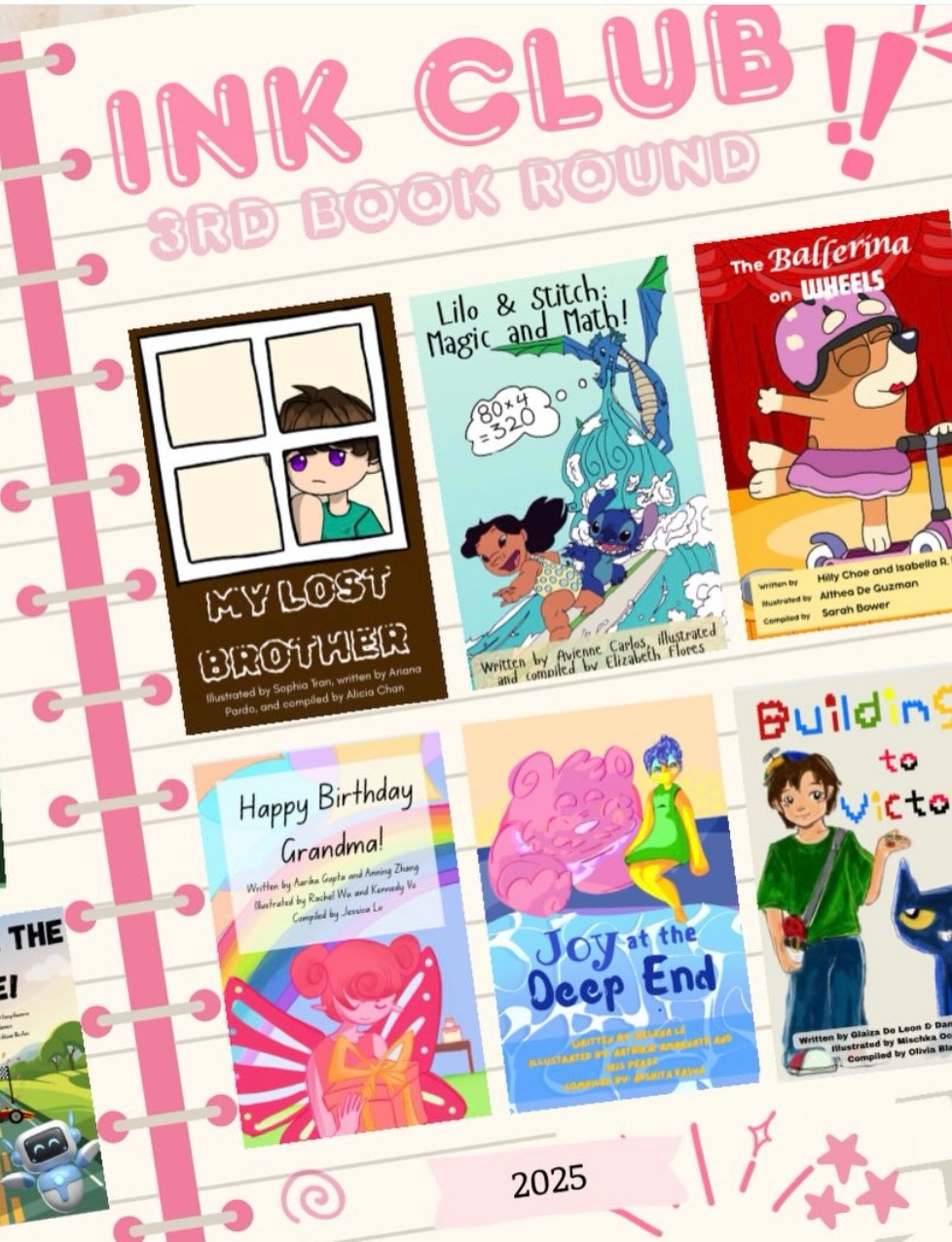
INK Club brings student writers, artists, and designers together to create personalized books for first- and second-grade children. Each project combines storytelling, illustration, design, and collaboration around a real young reader.
Growing Into Leadership
I joined INK Club as a Vice President in 10th grade and continued in that role through 11th grade. During those two years, I helped support club operations, coordinate students, and understand how the writing, illustration, design, and production pieces fit together.
By 12th grade, I became President, taking responsibility for the larger structure of the club and for helping its teams move from early ideas to completed books.
That progression changed how I approached the organization. As Vice President, I was learning how the club worked. As President, I became responsible for helping it work well for everyone else.
Leading Creative Teams
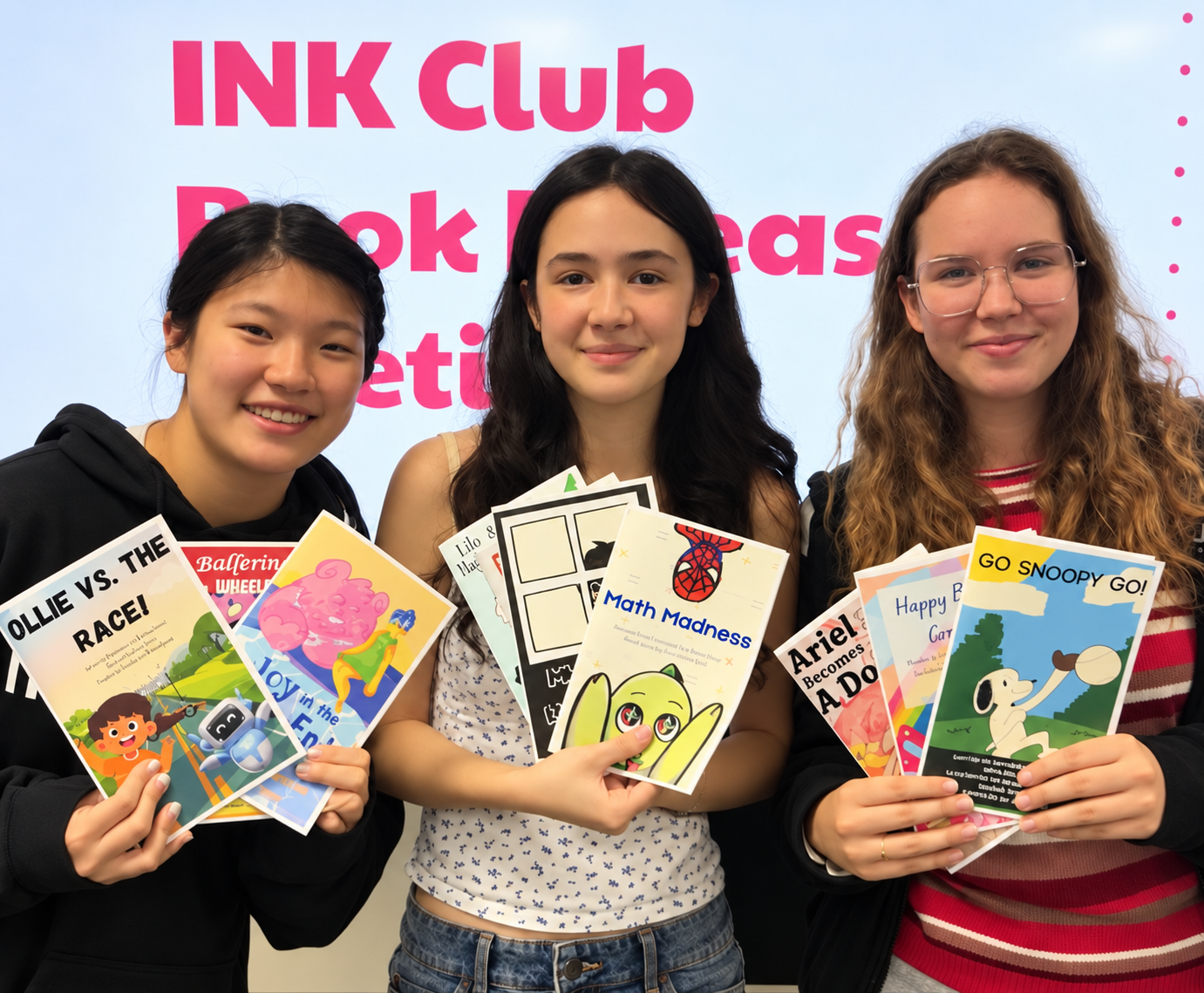
As President, I lead 33 students organized into 11 writer–artist–designer teams.
My role is not to make every creative decision. It is to create enough structure for students with very different strengths to work together effectively.
I organize workshops on story structure, character development, age-appropriate writing, collaboration, and peer editing, help teams move through revisions, and coordinate the process from the first concept to the finished book.
Because each team depends on several people, one delay can affect everyone else. I learned to pay attention not only to the quality of individual work, but also to how writers, artists, and designers communicate with one another.
Making the Child the Center
The most important part of the project is that the books are not created for us.
Each team creates a personalized story for a real first- or second-grade child. That means thinking carefully about what will interest the reader, what language is age-appropriate, what kind of character or story will feel personal, and how the writing and illustrations can work together.
This taught me to think about leadership and creativity from the audience’s perspective.
A project is not successful simply because the team likes what it created. It has to work for the person it was created for.
From Ideas to Finished Books
Part of leading INK Club is helping teams move beyond brainstorming.
I help students refine story ideas, organize responsibilities, work through revisions, coordinate writing with illustration and design, and keep projects moving toward completion.
The final product is tangible: a personalized book that a young child can hold and read. But getting there requires a less visible process of deadlines, feedback, coordination, and problem-solving.
That process taught me how much leadership happens between the exciting beginning of an idea and the moment the finished work is finally delivered.
What I Learned
INK Club taught me how to lead people whose strengths are very different from my own.
A writer, illustrator, and designer may all see the same project differently. Leadership cannot mean forcing all three to approach it the same way.
I learned to set structure without controlling creativity, clarify responsibilities, keep teams moving when work overlaps, resolve differences, and help separate contributions become one coherent final product.
Moving from Vice President to President also changed how I measured my own contribution. I became less focused on what I personally could create and more focused on whether the team had the structure, communication, and support to create something strong together.
Troy Girls Tennis
JV Player → MVP → Captain · Varsity Call-Up
Troy High School · Fullerton, California, USA
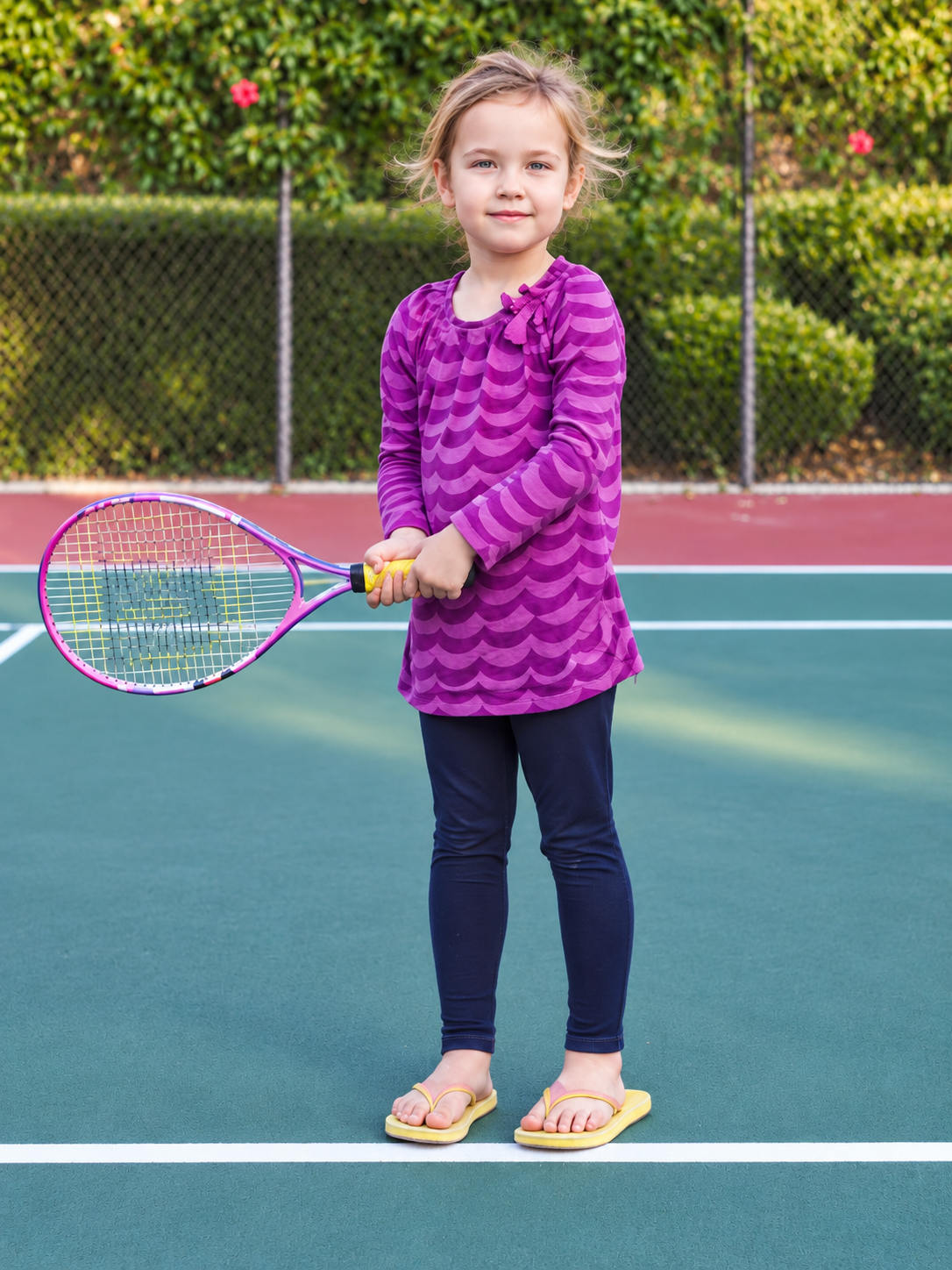
A Journey That Began at Four
I first picked up a tennis racquet at four years old. What began as a childhood sport gradually became a long-term commitment built around practice, repetition, competition, and learning how to recover when a match did not go the way I wanted.
When I entered Troy High School, I wanted tennis to remain part of my life, so I joined the school team and began competing for Troy.
High-school tennis gave the sport a different meaning. I was no longer practicing only for my own development. Every match contributed to a team result, and my performance became connected to the people competing beside me.
From Player to Captain
During four years with Troy Girls Tennis, I progressed from JV player to MVP, captain, and eventually a varsity call-up.
As my role grew, so did my responsibilities. As captain of the 25-player JV team, I helped lead warmups and strategy discussions, supported team bonding, mentored younger players, and served as a connection between teammates and coaches.
The transition from player to captain taught me that athletic leadership is rarely about giving instructions. My teammates were my peers, so trust had to come from consistency, preparation, reliability, and how I responded under pressure.
TENNIS IN NUMBERS
4
Age Started
Playing Tennis
4
Years Representing
Troy High School
25-Player
JV Team
TENNIS IN FACTS
MVP
JV Recognition
Captain
Team Leadership
Varsity
Call-Up
Competing for Something Larger Than Myself
Tennis is one of the activities in my life where individual performance and collective responsibility exist at exactly the same time.
When I step onto the court, I am responsible for my own preparation, decisions, focus, and result. But I am also wearing my school’s name and competing as part of a team.
That changed the way I experienced both winning and losing. A difficult match could not become only about my own disappointment because teammates still needed encouragement, energy, and leadership. And an individual win mattered most when it contributed to something larger than one person’s result.
Reaching Varsity Competition
My progression eventually took me from JV competition to a varsity call-up, including postseason competition described in our records as League Finals and CIF.
For me, that progression mattered because it reflected years of incremental improvement—from a child learning the sport, to a high-school player competing for her school, to an MVP and captain trusted with responsibility for teammates, and finally to competing at the varsity level.
What Tennis Taught Me
Tennis taught me discipline, resilience, consistency, and how to lead peers without relying on hierarchy.
It also taught me that leadership does not always look like speaking from the front of a room.
Sometimes leadership is arriving prepared when no one is watching. Sometimes it is staying composed after losing a point or a match. Sometimes it is noticing that a younger teammate is nervous and helping her reset. And sometimes it is simply being consistent enough that other people know they can depend on you.
After playing tennis since age four, what stayed with me most was not a single match. It was learning how to compete intensely as an individual while still thinking and acting as part of a team.