Behind every story is
a life that cannot be
summed up in a headline
ANASTASIA EFREMOVA
ECONOMICS & PUBLIC POLICY JOURNALIST
Exploring the intersection of
economics and public policy
through journalism
ABOUT · JOURNALISM · ECONOMICS · PUBLIC POLICY
The People Behind the Numbers
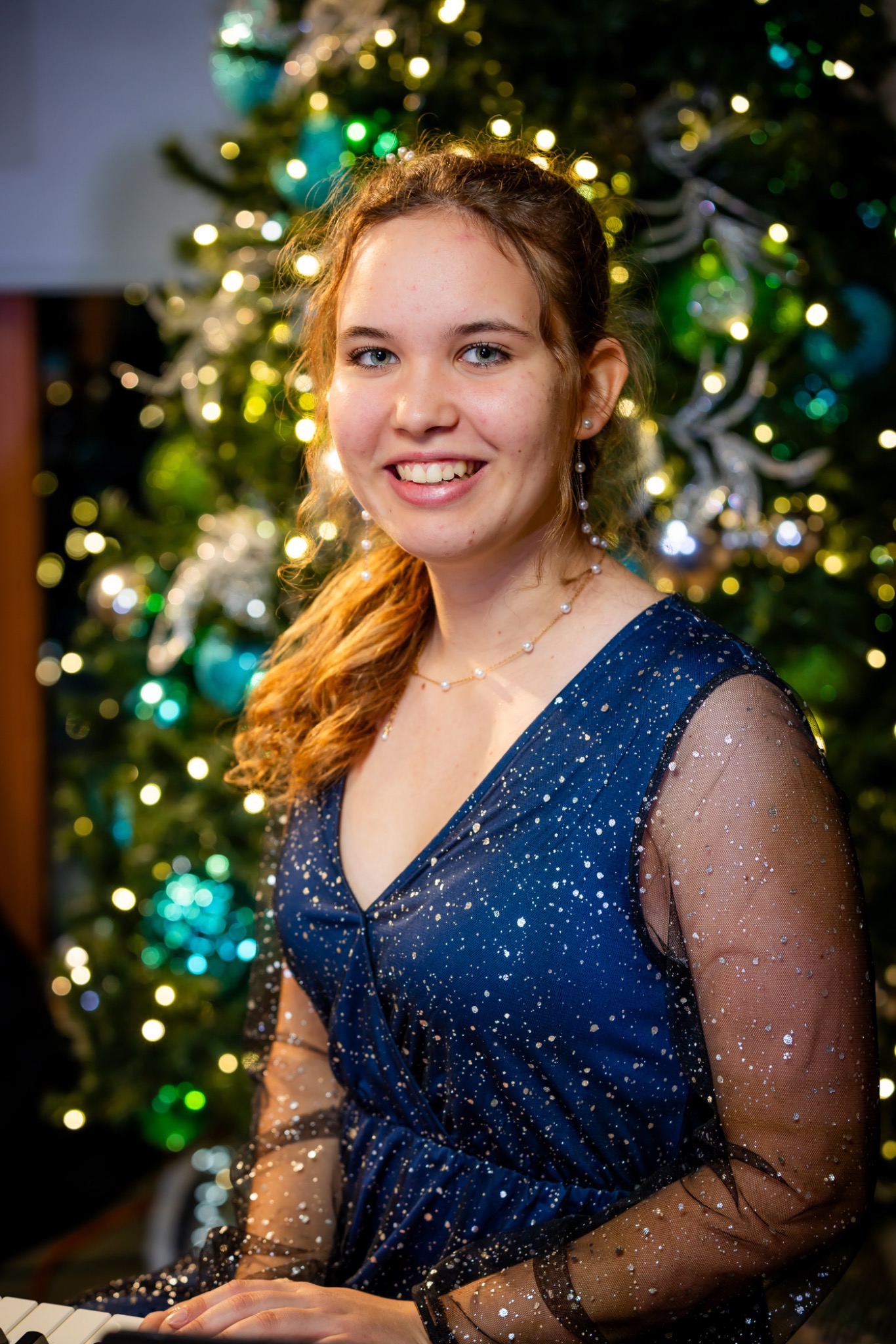
Every Story Begins with Someone
Before I ever thought about becoming a journalist, I was writing letters to my grandparents in Russia.
I wrote my first letter to them when I was about five and a half. I was excited to tell my grandmother and grandfather that we had moved into a new house and that I would soon have a baby brother.
Growing up in a Russian-speaking family in California, I loved how words could bring people closer, even when thousands of miles separated us. Then one day, our letters stopped reaching my grandparents and began coming back to us without any explanation.
It was one of my earliest lessons in something I would encounter again and again through journalism: what looks like a political event, an economic statistic, or a headline is also somebody’s personal story.
Behind it are people with families, hopes, fears, ordinary routines, and extraordinary experiences that rarely fit neatly into a news article.
I wanted to understand those stories. And eventually, I wanted to understand the forces shaping them.
That is how my three greatest interests—journalism, economics, and public policy—began to connect.
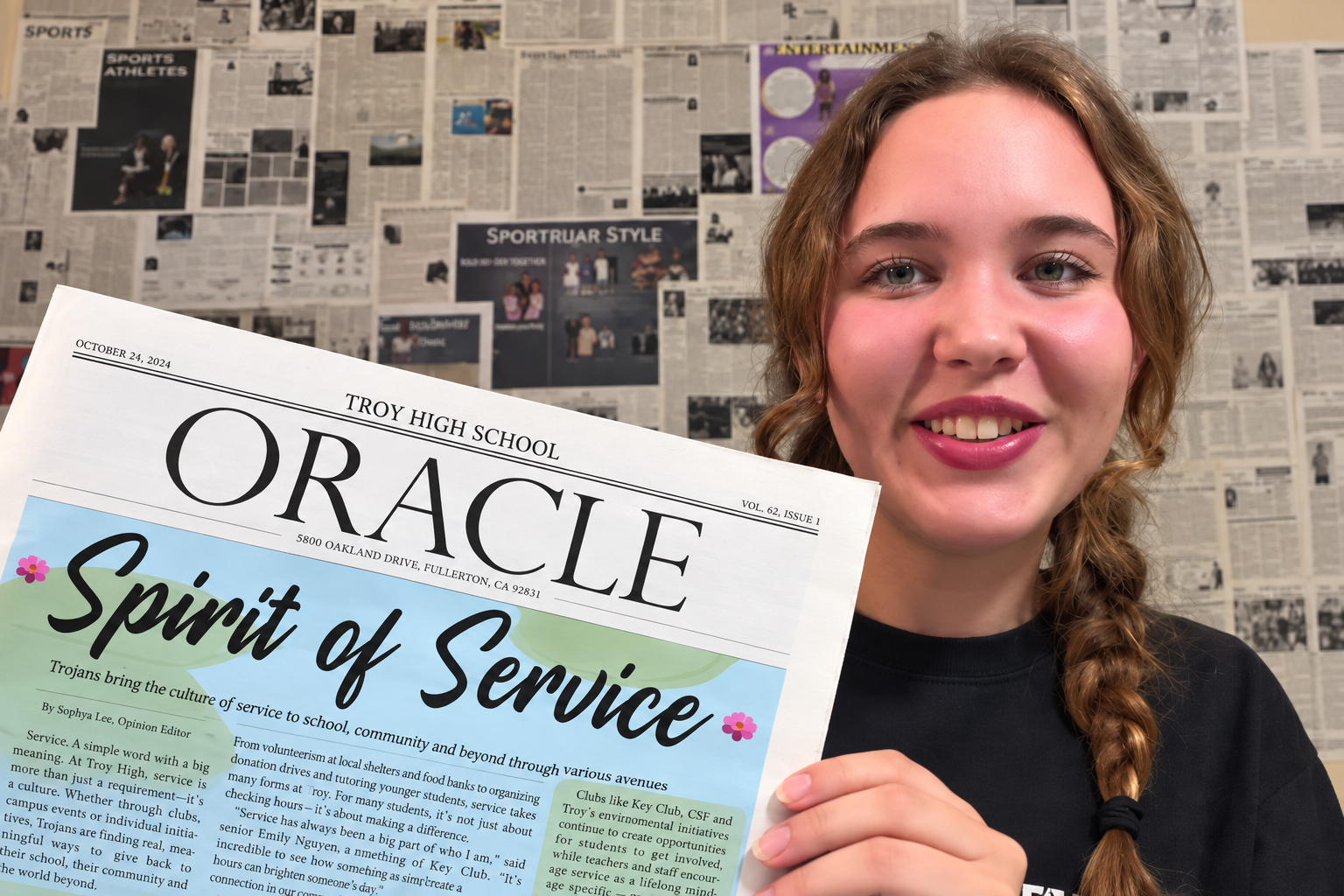
Journalism: Listening Beyond the Headline
I love journalism because it gives me the opportunity to enter worlds I might otherwise never encounter.
At The Oracle, my high school’s newspaper, I discovered the excitement of finding a story, asking questions, and turning conversations into something other people could read and learn from. Over time, I progressed from reporter to Co-Editor-in-Chief, helping not only to publish stories but also to build a newsroom where more students could find their voices.
Working at the Orange County Business Journal introduced me to another side of storytelling.
I interviewed entrepreneurs, executives, and business owners. I researched industries, studied companies, and learned to understand the numbers behind business decisions.
But one interview stayed with me for a different reason.
I was speaking with a woman who owned a restaurant when she began to cry. I had come to learn about her business, but sitting across from her reminded me that a business is never only its revenue, expenses, or growth. It is also the life of the person who built it.
The woman behind the restaurant had experiences that no balance sheet could capture.
That moment reinforced something I had begun to believe: the most meaningful part of an interview is not always the answer to the question I came prepared to ask.
Sometimes it is the story that emerges when I stop thinking about my next question and simply listen.
Economics: The Human Side of a Price Tag
My fascination with economics began at six, long before I knew what economics really was.
At first, my world was small: children’s business fairs, handmade products, and the excitement of earning my own money. I learned to save, set financial goals, distinguish between what I wanted and what I could afford, and understand the difference between revenue and profit.
As my savings grew, so did my questions. I no longer wanted to know only how to earn money. I wanted to understand how money could grow and what risks came with making it grow.
At ten, I invested $2,000 in the stock market. At twelve, I took a much bigger step, investing $6,000 of my savings in a family rental property.
Suddenly, economics was no longer just about my own money. I was learning to evaluate rental income, expenses, repairs, and financial risks. I began to understand that an investment decision could affect not only the investor, but also tenants, contractors, and other people connected to the property.
My understanding of money was gradually becoming an understanding of how people’s decisions affect one another.
When I became a business reporter at the Orange County Business Journal, my perspective expanded again. Instead of studying my own investments, I was researching companies, interviewing executives and entrepreneurs, and learning how businesses across Orange County operated, competed, grew, and responded to changing economic conditions.
I became increasingly curious about the forces influencing those decisions. Beyond individual businesses, I wanted to understand how government policies and economic uncertainty might change the behavior of entire communities. That question also shaped The Chilling Effect, my independent research project examining whether fear surrounding immigration enforcement could influence families’ spending, employment decisions, and local business activity.
And eventually, my curiosity reached beyond Orange County.
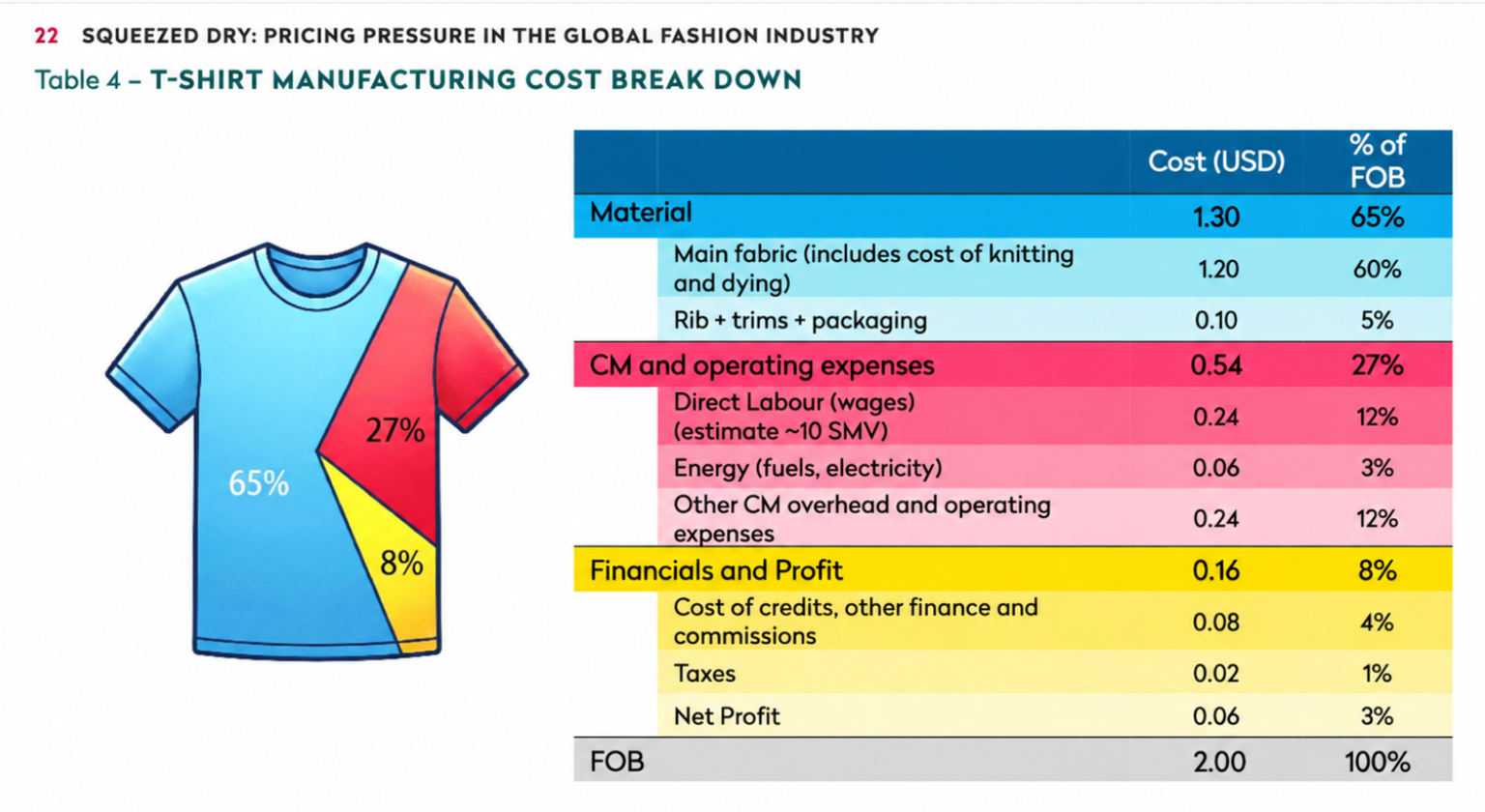
While researching the global clothing industry, I came across a breakdown showing that a T-shirt produced in Bangladesh could leave a factory for approximately $2, with only about 24 cents allocated to labor.
Twenty-four cents.
I imagined a girl my age living in Bangladesh, whose opportunities might be shaped by the industry behind that price. I didn’t know her name, her circumstances, or her dreams. And I realized that a price breakdown couldn’t tell me any of those things.
I could see where the money went, but I couldn’t see the lives of the people whose work made the product possible.
That realization changed how I thought about my own purchases. I became more conscious of fast fashion and increasingly turned toward secondhand clothing.
But it also made me ask bigger questions. How are wages determined across countries? Who captures the value created along a global supply chain? How do international trade, competition, consumer behavior, and government policies shape economic opportunities for people who may never meet?
The questions that began with my first savings had grown far beyond anything I imagined at six.
Economics had become a way for me to understand the connections between individual choices, businesses, governments, and people across the world.
And the more I learned about those connections, the more I wanted to understand the people behind them.
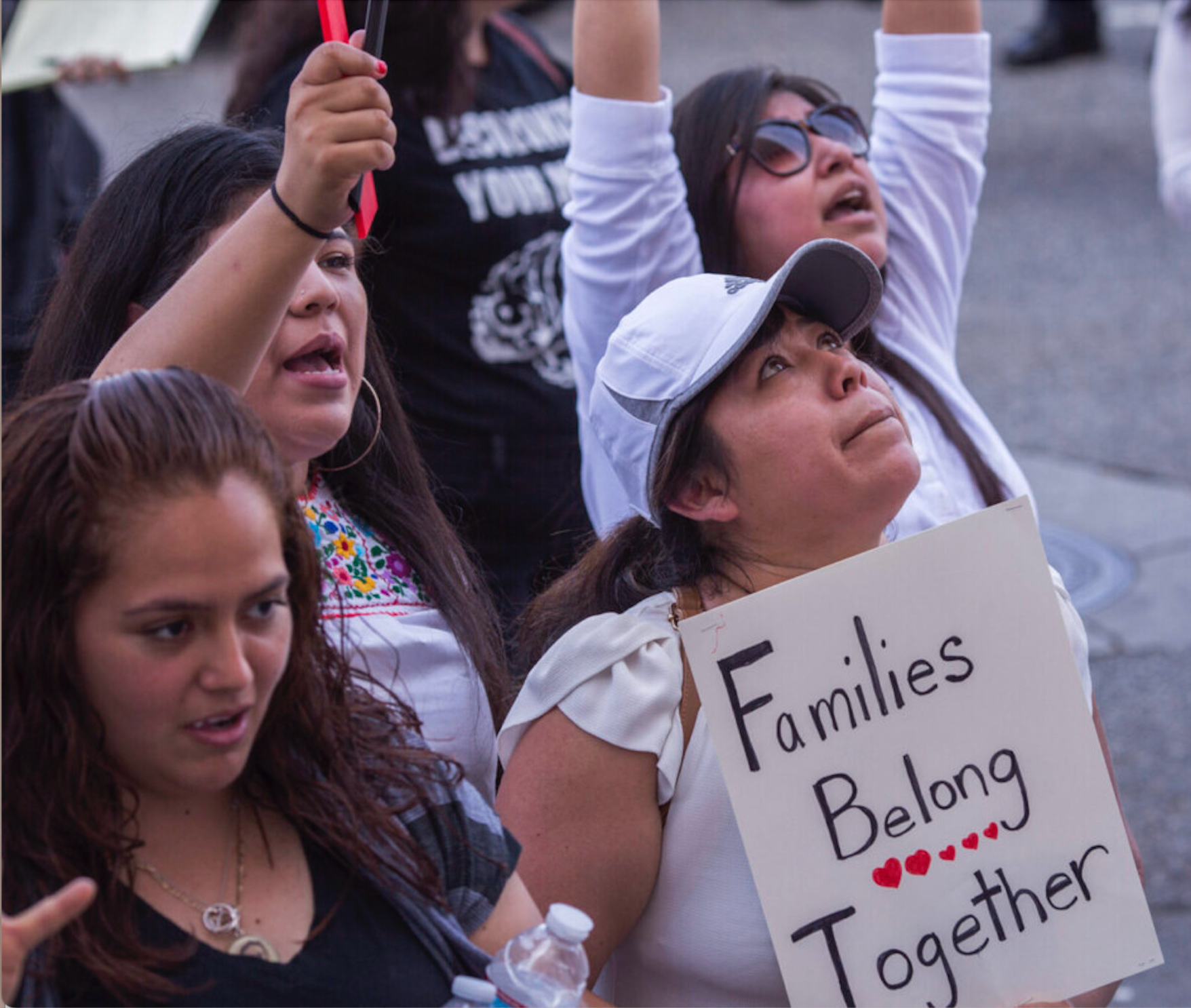
Public Policy: When Decisions Become Personal
Sometimes the distance between a policy and a person’s life is much shorter than we imagine.
In April 2025, a friend who had never missed classes was absent from school for two days.
When he called to ask about homework, I learned that his parents were afraid of immigration enforcement raids and had decided not to drive him to school.
Soon, I began noticing other empty desks.
I couldn’t stop thinking about what those empty seats represented.
For policymakers, immigration enforcement might be discussed through legal provisions, budgets, and statistics. For my friend, it had become a question of whether he could go to school.
That summer, during Howard University’s Multicultural Media Academy, I reported on how fear of immigration enforcement affected children’s mental health. I interviewed Russian-speaking parents and teenagers in Russian and wrote about their experiences in English.
I was no longer reading about an issue from a distance. I was listening to people whose lives had been changed by fear and uncertainty.
And I began to wonder whether the consequences extended beyond emotional well-being.
If families were afraid to leave home, could that change where they shopped, whether they went to work, or how they supported local businesses? Could those individual decisions, taken together, affect an entire community’s economy?
Those questions led me to develop The Chilling Effect, an independent research project exploring how immigration enforcement and the fear surrounding it might influence economic behavior in Orange County.
The deeper I went, the more I understood that recognizing a human problem and proving its broader economic consequences were two different things.
I could interview people, examine public records, and develop research questions. But I also had to confront the limits of my evidence and the responsibility of protecting vulnerable participants. I ultimately paused my plans for a large-scale survey until I could pursue it with appropriate research oversight and safeguards.
The people whose stories inspired the research mattered more than my desire to complete it.
That experience changed how I think about public policy.
I want to understand not only what lawmakers intend, but what actually happens when their decisions reach classrooms, workplaces, businesses, and families.
And I want to investigate those consequences with both empathy and evidence.
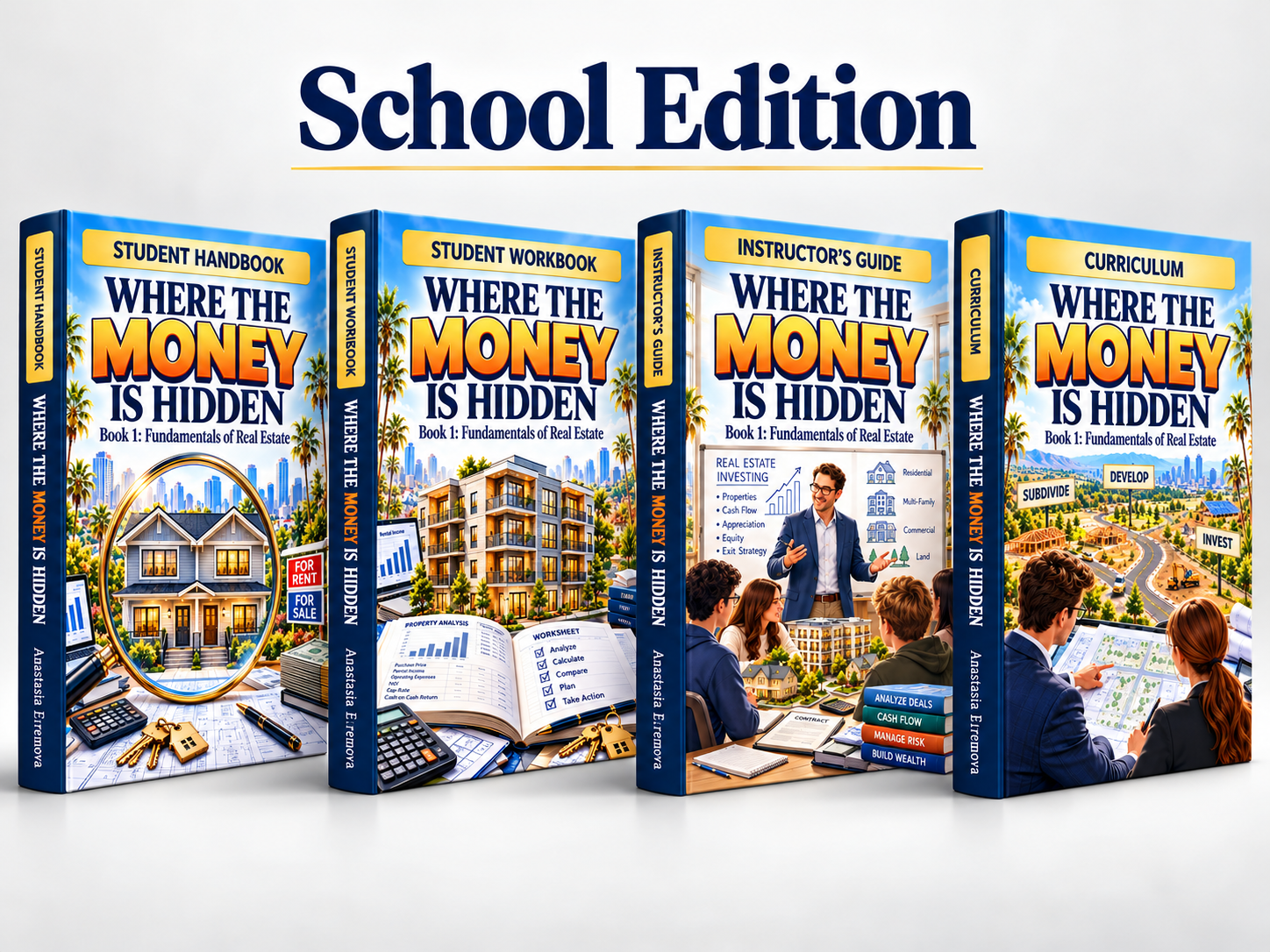
Sharing Knowledge, Creating Opportunities
The more I learn, the more I want other people to have access to the same opportunities.
That is why I founded Kids Business Club and later developed the Teens Real Estate Investment Club. I wanted younger students to discover that business, economics, and investing were not subjects reserved for adults.
I wanted them to experience the excitement of building something themselves, the disappointment of an idea that didn’t work, and the confidence that comes from trying again.
Those experiences eventually inspired me to create the Teens Real Estate Investment Toolkit, transforming lessons from my own investment journey into educational resources others could use. But I wanted to go further. Through a structured curriculum and instructor’s guide, I designed the toolkit to empower teenagers not only to learn about real estate investing, but also to start and lead investment clubs of their own, teach younger students, and pass that knowledge on to the next generation. My hope is that what began with my own students can continue spreading from one community to another, even without me in the room.
I also mentor younger students in public speaking through Project Be You, the community where I began developing my own confidence as a child.
Whether I am helping a student prepare a speech, understand an investment, or present a business idea, I am reminded that people’s stories are not defined only by hardship.
They are also about discovery, ambition, humor, pride, resilience, and the joy of realizing what they can accomplish.
I love watching knowledge become confidence—and confidence become action.
The Stories I Want to Tell
At first glance, journalism, economics, and public policy may seem like three entirely different fields. But to me, they are deeply connected. They offer different ways of understanding the same question: How do decisions made by individuals, businesses, and governments shape people’s lives?
Journalism helps me discover and tell the human stories that might otherwise go unheard.
Economics helps me understand the choices, incentives, and systems behind those stories—and how their consequences extend far beyond any one individual.
Public policy helps me examine how government decisions and institutions shape people’s opportunities, influence their behavior, and affect entire communities.
And through education and community service, I try to turn what I learn into knowledge, resources, and opportunities that others can carry forward.
I think about the restaurant owner whose interview became unexpectedly emotional. The student whose empty desk told a story that attendance statistics alone could not. The teenagers whose experiences revealed the human weight of immigration policy. And the people behind an inexpensive T-shirt whose lives cannot be reconstructed from a price tag.
These stories are different, but they have taught me the same lesson.
A number can reveal something important about the world. But it can also hide the people who live with its consequences.
I want to become the kind of journalist who does both: finds the human story and asks the difficult questions necessary to understand the larger system behind it.
Because behind every price, every policy, every statistic, and every headline, there is a person.
And every person has a story worth understanding.